We built a fake social network to study real people.
On Truman, the posts are written ahead of time and the other users are all made up. The likes are fake too. The only real thing is the person scrolling, and they don't know.
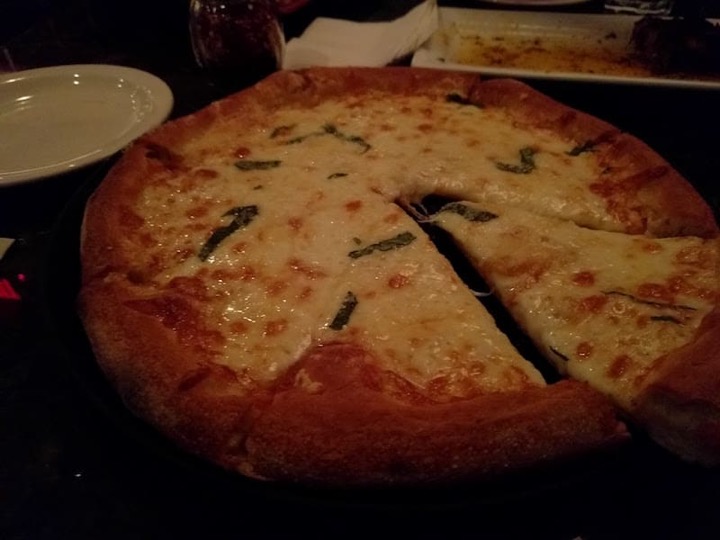
Right now that's you. Kitty just trashed Jake's pizza. Do something?

How it works
You make the whole world. Then you let one person in.
No code. You build it in the browser, or fill in a spreadsheet.
The site
It can look like a photo app, a short-posts app, a forum, or a plain feed. Give it a name, a logo, and a web address that doesn't say "research" anywhere.
The people
EatSnap has 76 of them. Each has a name, a face, a bio, and posts going back days. They're yours to write. They can also reply on their own, using an AI model that stays inside rules you set.
The plot
Things happen on a clock, or because of what the participant just did.
Day 2, minute 37: Kitty insults the pizza.
If the participant flags it: thank them.
The versions
This is the experiment. Half your participants see someone stick up for Jake. Half don't. Nothing else changes, so whatever they do differently is because of that.
The dry run
Before anyone real shows up, walk through it yourself at any minute of any day. Or send in a few hundred pretend participants and see what breaks.
The tape
You get everything: what each person saw, in what order, for how long, and what they did about it. It comes as spreadsheets, with a guide to every column.
What it can look like
Four kinds of site, and they don't look like each other.
These are the four starting points, each with its sample content, as a participant sees them. Change the name, the logo, the color, and what people can do, and it's your site.
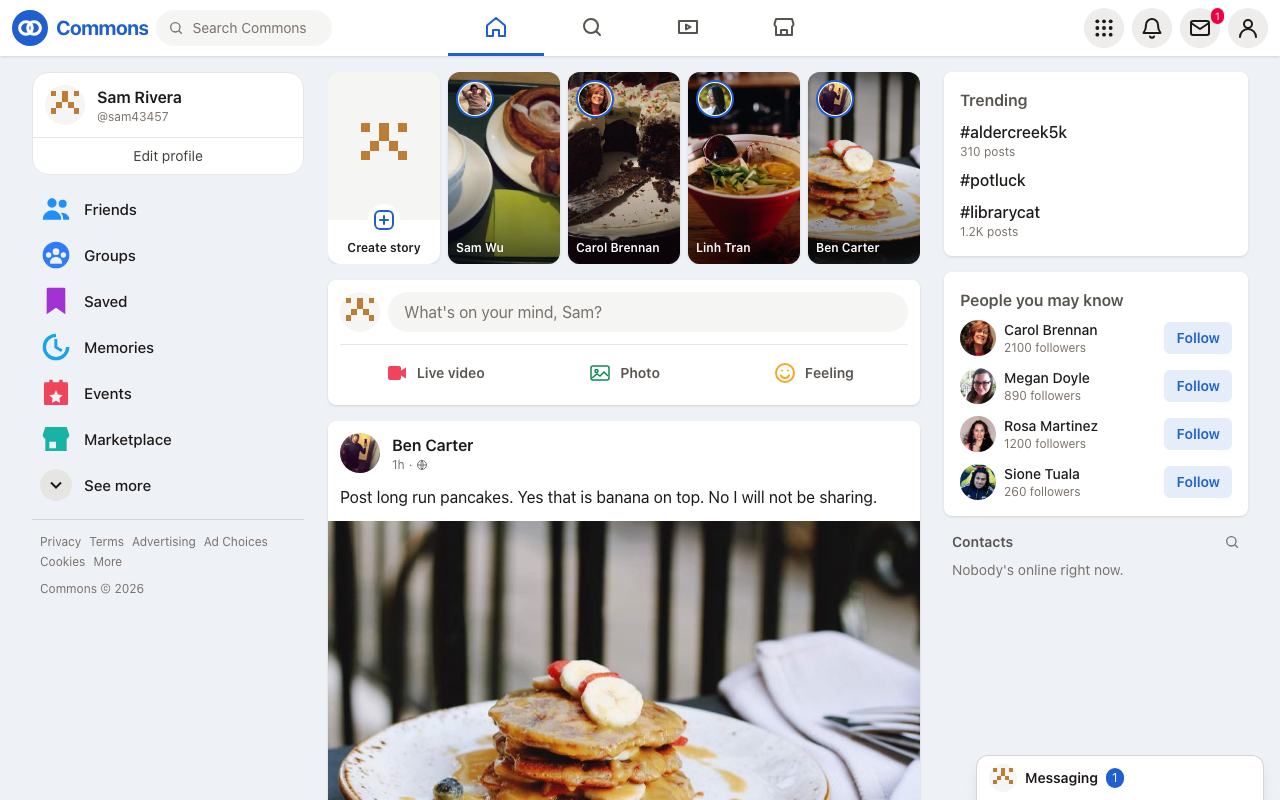 Classic
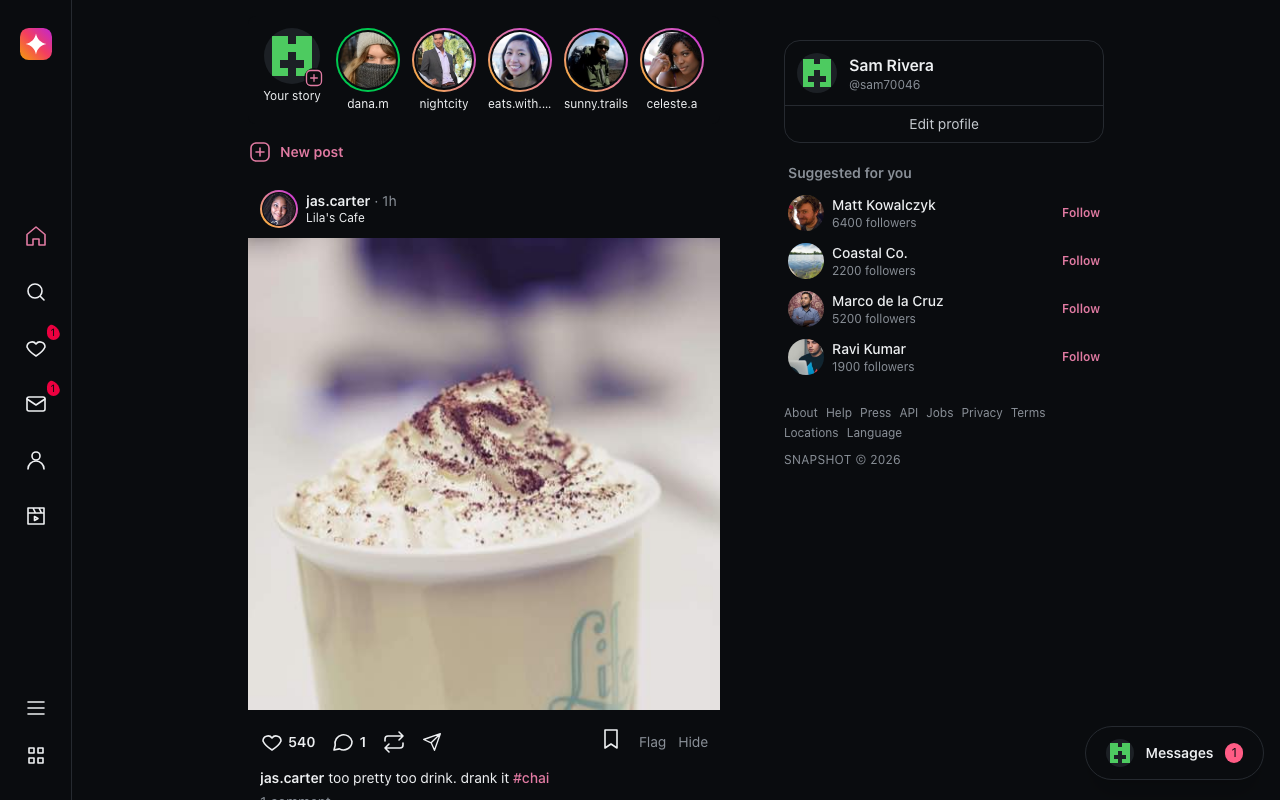 Photo
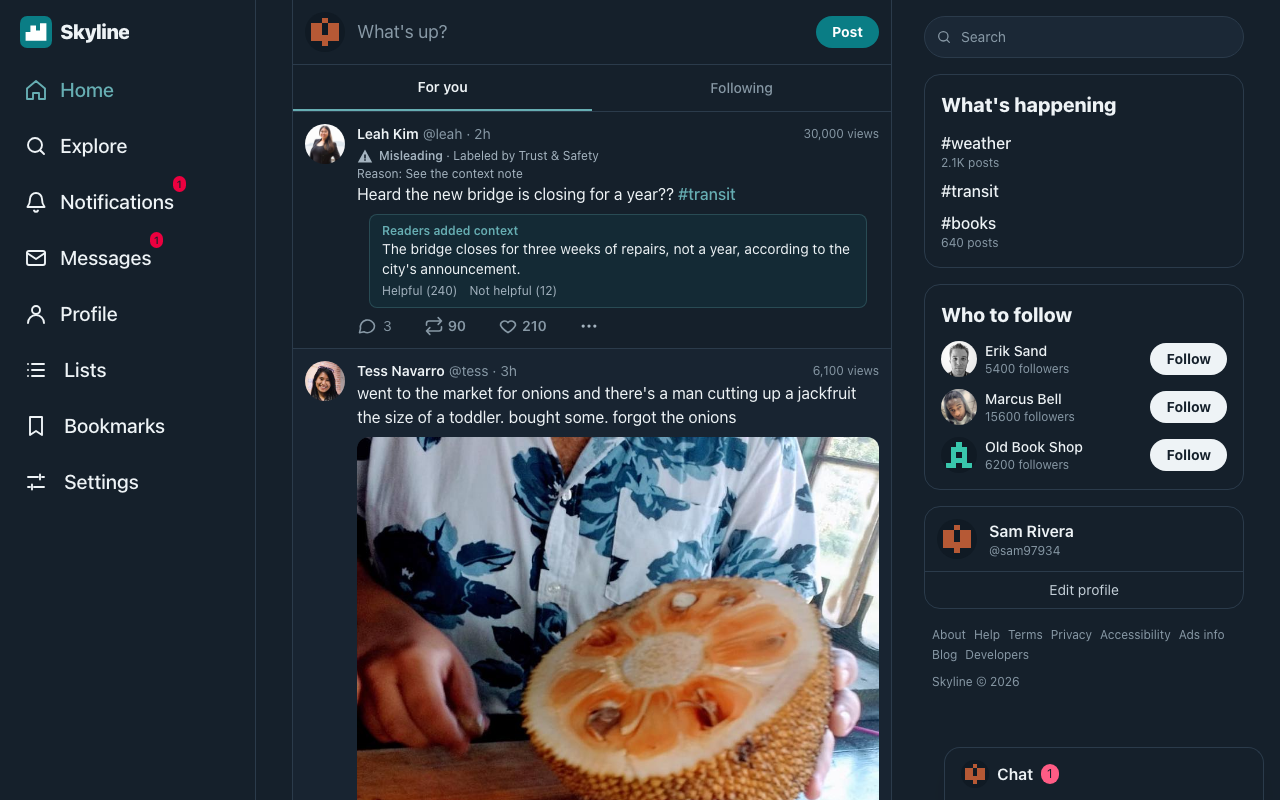 Short posts
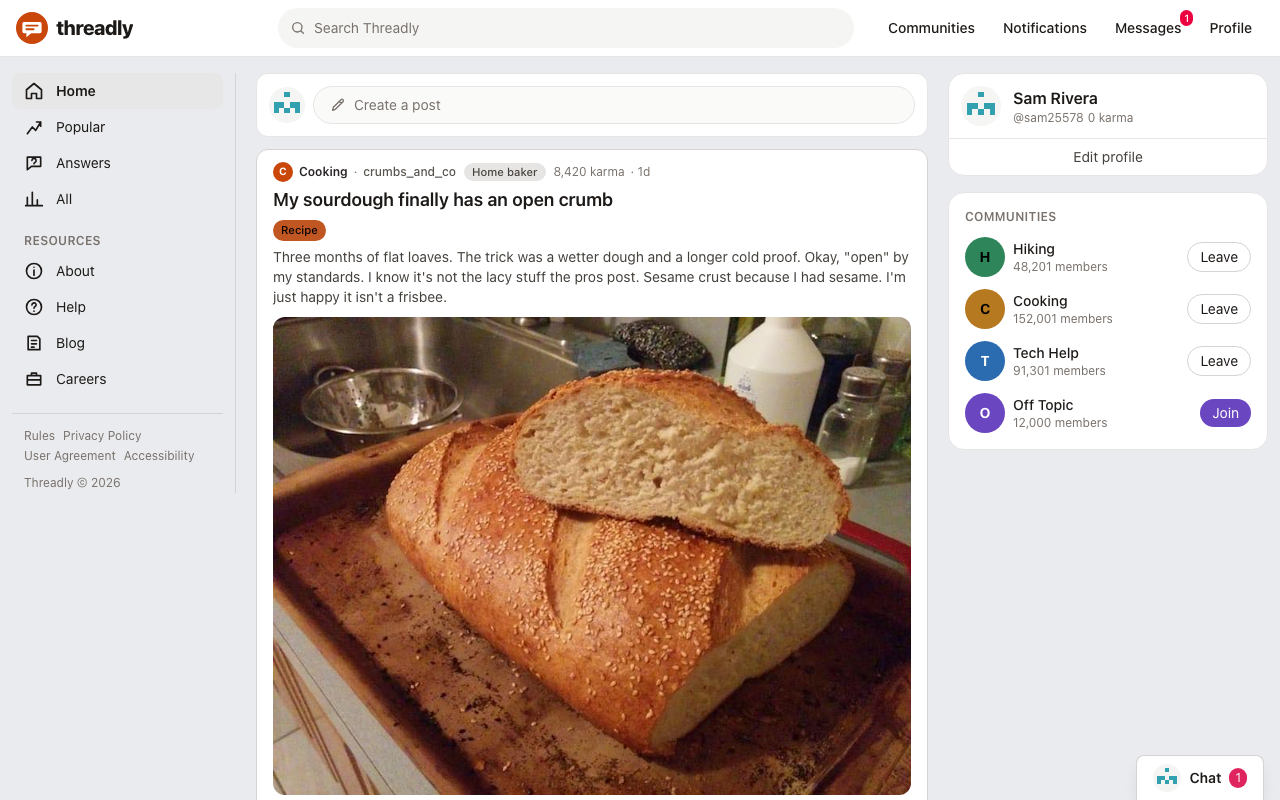 Forum
AI, where you want it
The cast can improvise. You still write the script.
A study runs fine with no AI at all. When you want it, a model can take on a few jobs, each inside limits you set. How AI fits in →
A cast that answers back
A scripted reply can't know what the participant just said. A model can write the line in the character's voice, and a second check reads it before it's posted. You decide who speaks and when.
Or you approve every line
For a Wizard of Oz study, each line waits for a researcher to approve it, change it, or skip it.
Pretend participants
Describe a few people in a sentence each and have a model play them through your study. Then read what each one saw, did, and why.
A first draft from a brief
Describe the study you have in mind, and an agent drafts the cast, the posts, the plot, and the tests for you to review.
Bring your own agent
Already use Claude Code or another agent? Connect it to Truman and it can build and test studies with you. It can't launch one or touch participants' data. How to connect one →
It's all on the tape
Your data says which lines a model wrote, what it was asked, what the check said, and what it cost.
On a phone
People live on their phones. A study can too.
Every kind of site works in a phone's browser today. A phone app for participants is on the way: the same study, on their home screen, with notifications that bring them back on day two the way a real platform would. It isn't in the app stores yet. About the phone app →
By the way
You've been in a study since you got here.
When this page loaded, it flipped a coin and put you in version A or B. It has been taking notes since. This is roughly what a researcher gets back for every participant.
Relax: it's all in your browser, we never see it, and it's gone when you close the tab. We didn't ask first because nothing was kept. A real study has to ask first, and has to tell people the truth at the end.
Studies
Take one of ours and change it.
These are finished studies, with every post, person, and rule written out. Four of them are running: press Try it and you're the participant. Read how one works, then start yours from it.
Will anyone stick up for a stranger?
The pizza. This is where Truman started, in 2018.
EatSnap → Try itDoes it matter who flagged a post?
Other users, an automated system, or nobody named. From Bhandari et al. (2021).
Who flagged this? → Try itIf everyone seems vaccinated, do you believe more?
Profile pictures with a frame on them. From Aghajari et al. (2024).
Vaccine frames → Try itIs rudeness contagious?
Six real people share one town forum. The fake ones start out polite, or don't.
Town talk →What happens when a pile-on starts?
Someone posts her first painting. It goes badly.
Bystander → Try itIs this allowed?
It's deception research. There are rules, and Truman is built around them.
You can't study how people really act online by asking them. So you build a place and watch, and then you owe them the truth.
- People agree before they start. Consent is a step you put in the study, with your approved wording.
- People find out at the end. The debrief is a page you write, shown when they finish.
- People can leave. When someone withdraws, you delete what they did with one click.
- The fake people have limits. Anything an AI writes is checked before it's posted, and you can cut it off.
- Your ethics board gets a page of its own that says what's kept and who can see it.
Papers
People have been publishing with it since 2018.
- Zhao et al. (2025). Restorative justice appeals trump retributive vigilance on social media. PNAS Nexus.
- Zhao et al. (2024). Standing up to problematic content on social media. Journal of Computer-Mediated Communication.
- Aghajari et al. (2024). Do perceived norms really act as a mediator? CHI '24.
- Masur, DiFranzo & Bazarova (2021). Behavioral contagion on social media. PLOS ONE.
- Taylor et al. (2019). Accountability and empathy by design. CSCW.
- DiFranzo et al. (2018). Upstanding by design: bystander intervention in cyberbullying. CHI '18.
Your turn
Go build one.
Use ours
Sign your lab up and start building today. It's free. This is a beta: build, test, and pilot all you like, but hold off on real participants until we say it's ready.
Run your own
It's open source. Put it on your own servers, keep your own data, change whatever you want.